

Selecting a suitable compressed air system requires consideration of several operating factors:
Air Quality Requirements: Determine whether the compressed air comes into direct or indirect contact with food products or packaging materials.
Operating Pressure: Identify the pressure requirements of pneumatic equipment, conveying systems and PET bottle blowing machines.
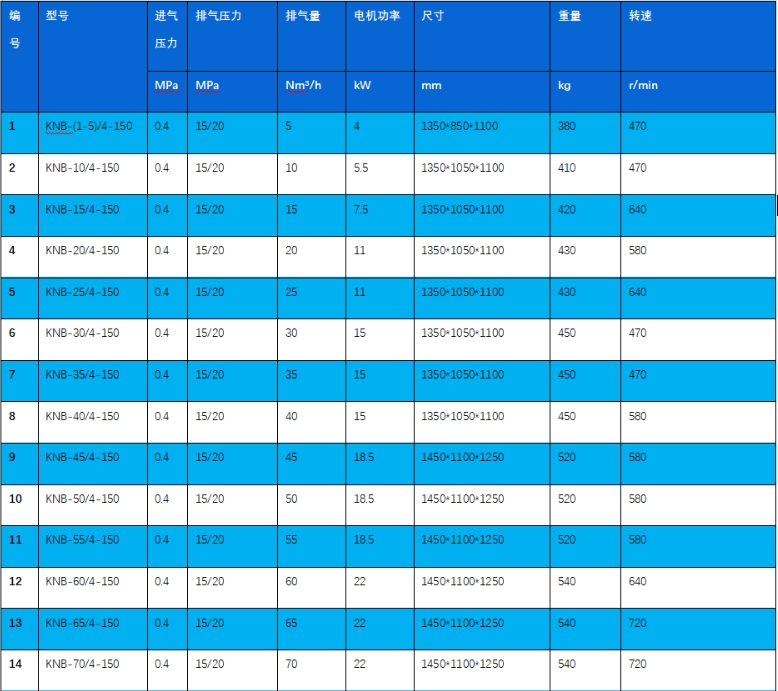
Air Flow Capacity: Calculate the total air consumption of the production line, including peak demand and future expansion.
Air Treatment Requirements: Evaluate the need for filtration, drying and additional treatment based on the required air quality.
Operating Conditions: Consider ambient temperature, installation environment, operating hours and maintenance accessibility.
System Integration: Assess the compatibility of compressors, dryers, filters, storage tanks and distribution pipelines.
ADEKOM can provide customized compressed air configurations based on the specific operating conditions and production requirements of each facility.
Why Choose ADEKOM?
With extensive experience in compressed air and gas treatment technologies, ADEKOM provides industrial compressor solutions for a wide range of manufacturing applications.
Our product portfolio covers oil-free screw compressors, dry screw compressors, oil-free screw blowers, PET high-pressure compressor systems and compressed air treatment equipment.
By combining application knowledge with flexible system configurations, ADEKOM helps food and beverage manufacturers develop reliable compressed air systems that support production efficiency and air quality requirements.
Looking for a reliable compressed air solution for your food and beverage production line?
Contact ADEKOM to discuss your operating conditions, air quality requirements and system configuration.
Frequently Asked Questions
1. Why is oil-free compressed air important in the food and beverage industry?
Compressed air may come into direct or indirect contact with food products, ingredients and packaging materials. Oil-free compression helps reduce the risk of oil contamination and supports the air quality requirements of food and beverage production.
2. What does ISO 8573-1 Class 0 mean?
ISO 8573-1 Class 0 specifies an oil content level that is more stringent than Class 1. It does not mean that compressed air is completely free of all contaminants. Particle, moisture and microbiological control may require additional air treatment equipment.
3. Which type of air compressor is suitable for food processing?
The appropriate compressor depends on the required air quality, operating pressure, flow rate and application. Oil-free screw compressors are suitable for many general food processing applications, while dry screw compressors and other specialized configurations may be selected for specific operating requirements.
4. Can compressed air be used for pneumatic conveying of food powders?
Yes. Compressed air is commonly used to transport materials such as flour, milk powder, cocoa and sugar. The compressor and air treatment system should be selected according to the material characteristics, conveying method and required air quality.
5. What air pressure is required for PET bottle blowing?
PET bottle blowing commonly requires high-pressure compressed air in the range of 30–40 bar, although the actual requirement depends on the bottle design, production line and blowing machine specifications.
6. Is an air dryer necessary for food and beverage compressed air systems?
In many applications, yes. An air dryer helps reduce moisture in compressed air, preventing condensation and supporting stable operation. The required dryer type and pressure dew point depend on the application and operating environment.
7. Can ADEKOM provide a complete compressed air system?
ADEKOM can supply compressor and air treatment equipment in configurations tailored to specific project requirements. System selection may include compressors, dryers, filters, air receivers and associated control equipment.