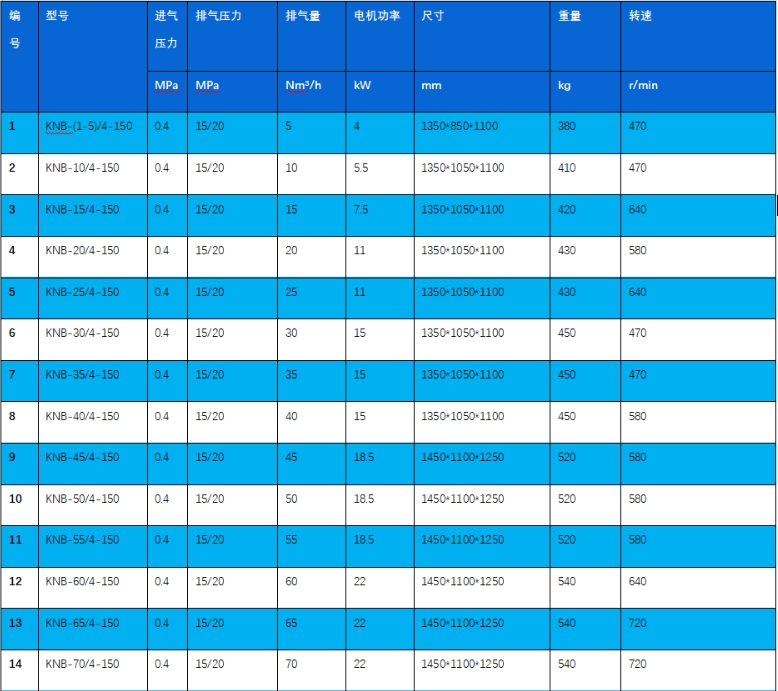


CCUS projects involve different gas sources, separation technologies and process configurations. Operating conditions can vary significantly in terms of CO₂ concentration, gas composition, moisture content, inlet pressure, required discharge pressure and flow rate.
Selecting the right compressor requires more than simply matching flow and pressure. Gas properties, corrosion risks, sealing requirements, cooling methods, operating hours and site safety standards must also be evaluated.
ADEKOM provides equipment selection support for CO₂ and industrial process gas compression based on actual project conditions and process requirements, helping customers develop reliable and efficient gas compression and handling systems.
Frequently Asked Questions
1. What is CCUS?
CCUS stands for Carbon Capture, Utilization and Storage. It refers to capturing CO₂ from industrial emission sources or other gas streams, processing and compressing it, and then utilizing it in industrial applications or transporting it for long-term storage.
2. What is the role of a CO₂ compressor in a carbon capture system?
A CO₂ compressor increases the pressure of recovered carbon dioxide to meet the requirements of downstream gas treatment, storage, transportation, liquefaction or industrial utilization. The compression stages and required pressure levels depend on the process design.
3. Why is CO₂ purification necessary in carbon capture projects?
Captured gas may contain moisture, oxygen, nitrogen, sulfur compounds and other impurities. Depending on the final application and transportation requirements, dehydration and impurity removal may be necessary to achieve the required CO₂ purity and gas quality.
4. How do I select the right CO₂ compressor?
Compressor selection should consider CO₂ flow rate, inlet pressure, required discharge pressure, gas purity, temperature, moisture content, operating hours and cooling conditions. Gas compatibility, sealing arrangements and safety requirements should also be evaluated.
5. What is the difference between reciprocating and screw CO₂ compressors?
Reciprocating compressors use pistons moving back and forth within cylinders to compress gas and are suitable for their specified pressure and flow ranges. Screw compressors use intermeshing rotors to deliver continuous gas compression and are suitable for their designed operating conditions. The appropriate technology depends on gas properties, pressure, flow rate and operating requirements.
6. Can ADEKOM provide complete CCUS systems?
ADEKOM can supply CO₂ and process gas compression equipment and configure supporting equipment such as gas pretreatment, cooling, separation and control systems according to project requirements. The actual scope of supply and level of system integration are subject to technical evaluation.
7. Can CO₂ compressors be used in biogas upgrading projects?
During biogas upgrading, CO₂ is separated from the raw biogas and may be discharged or recovered. When further CO₂ recovery, compression or utilization is required, suitable compression and gas treatment equipment can be selected according to gas composition, moisture content, inlet pressure and target discharge pressure.